Raised Beds vs. In-Ground Gardens: Which Fits a Small Yard
A tomato plant does not care whether it grows in a cedar box or straight into the dirt. You do. The format you choose decides how much you spend upfront, how often you haul a hose, how many weeds you pull, and whether your knees forgive you on a Sunday morning. In a small yard, those differences get amplified, because you cannot spread problems out over an acre. Here is how the two approaches actually compare when space is tight.
Start With What You Have
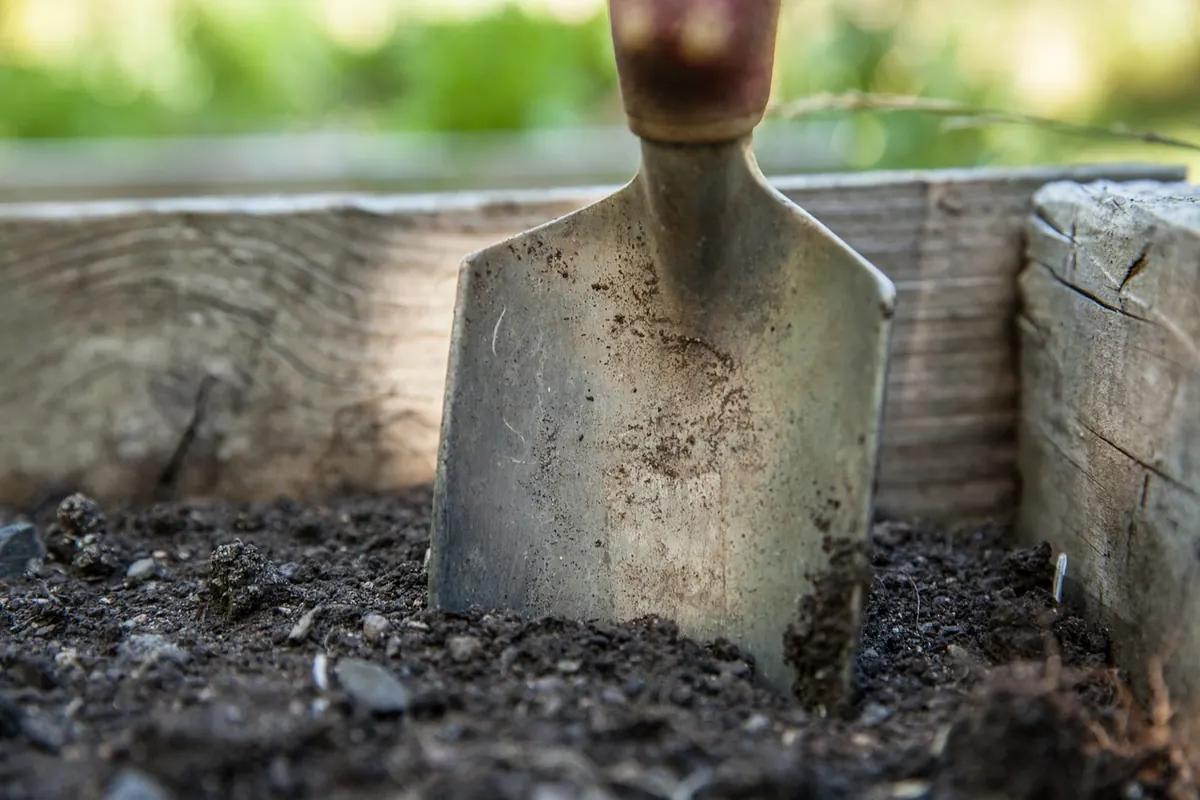
Before comparing anything, look down. The single biggest factor in this decision is the soil already under your feet. Push a trowel in a few spots. If it crumbles, drains, and has earthworms in it, you have a real asset, and an in-ground bed lets you use it for free.
If the trowel hits hard clay, construction rubble, or a thin layer of topsoil over gravel, you are facing one of three choices: amend the ground over several seasons, build up, or grow in containers. Raised beds exist mostly to solve this problem. They let you import the soil you wish you had.
Two other site realities matter as much as soil:
- Contamination. Older urban lots sometimes have lead or other heavy metals in the soil, particularly near old painted structures or busy roads. Raised beds with a barrier between new soil and old ground are the cautious choice. If you suspect contamination, have the soil tested through your local extension office before planting food crops.
- Drainage. A low spot that floods after rain is miserable for in-ground vegetables and usually still soggy in a raised bed unless you build tall. Fix the grade or pick another spot.
Cost: The Real Numbers Over Time
In-ground gardening wins on the first receipt. You need a shovel, a fork, compost, and seeds. That is it. A 4-by-8-foot plot might cost you a few bags of compost and an afternoon.
A raised bed of the same size asks more upfront: lumber or blocks, hardware, a weed barrier if you want one, and enough soil to fill roughly eight inches deep. That is close to a yard of material, and bagged soil gets expensive fast. Buying in bulk from a landscape supplier costs far less per cubic foot, but delivery fees can sting.
The trade flips over several years. Raised beds concentrate your compost and amendments in a small volume instead of spreading them across a whole yard. You water less area. You weed less area. Many gardeners find the annual inputs drop, even if year one hurts.
The cheap path to a raised bed
- Watch for damaged or discounted lumber at building supply stores.
- Use concrete blocks, which last decades and can be rearranged.
- Build the bed directly on cardboard over lawn, no digging required.
- Fill the bottom third with logs, branches, and leaves, then top with soil.
- Start with one bed and add more only after a full season.
Soil Quality and Control
In-ground growing gives plants unlimited root room. That matters for corn, big tomatoes, squash, and anything you want to leave in place for years, such as asparagus, rhubarb, or berry canes. Roots reach moisture and nutrients you never delivered by hand, and the soil biology does a lot of work for free.
The catch is that you inherit whatever the ground offers, including its history. Improving native soil takes seasons of compost, cover crops, and patience. In heavy clay, that means years.
A raised bed is a fresh start. You choose the mix, usually something like two parts topsoil to one part compost, with a little aged manure for richness. You control pH, texture, and drainage. The limitation is volume: plants in a shallow bed dry out faster and run out of nutrients sooner than the same plants in open ground. Deeper beds, twelve inches or more, behave much more like real soil.
Watering and Weeds
Water is where the two formats diverge most sharply in daily labor.
- Raised beds warm earlier in spring, which means earlier harvests, but they also dry out faster because sun and wind hit the sides as well as the top. In a hot, windy week you may water daily.
- In-ground beds hold moisture longer and forgive a missed day, especially once plants are established and mulched.
Weeds follow a similar pattern. A raised bed filled with clean soil and topped with two or three inches of mulch produces very few weeds, and the ones that appear pull easily from loose, stone-free soil. In-ground beds sit in a seed bank that has been accumulating for years. Every tilling or digging brings a new crop of weed seeds to the surface.
Neither format escapes the fundamentals. Mulch both, water deeply and less often rather than lightly and daily, and put drip irrigation or soaker hose on a timer if your budget allows. That single addition does more for a small garden than any choice of bed style.
Accessibility and Comfort
This is often the deciding factor in a small yard, and it deserves honest weight. A raised bed eighteen to twenty-four inches tall means you can garden from a stool or from a wheelchair, with less bending and kneeling. Wide, mulched paths between beds keep you off muddy ground after rain.
In-ground gardening means getting down to the soil. For some people that is the pleasure of the whole hobby. For others, it is the reason the garden gets abandoned by July.
Raised beds also make small spaces feel organized. You can place them along a fence, on a patio, or over a concrete slab where nothing would otherwise grow. In-ground plots need sunshine and decent soil, and they cannot move when you realize the tree next door has grown.
Which One Fits Your Yard
Choose in-ground if your soil tests decent, you have sun and drainage, you want to grow sprawling or long-lived crops, and you are willing to improve the ground over years. It costs less and needs less watering once established.
Choose raised beds if your soil is poor, compacted, or suspect, if bending is a concern, if your only sunny spot is a patio or driveway, or if you want tight control over what your vegetables grow in. Expect a higher first-year cost and more frequent watering.
Plenty of small yards do both. Put perennial crops and sprawling vines in the ground and use two or three raised beds near the door for salad greens, herbs, and anything you pick often. That arrangement plays to each format's strengths and keeps the harvest within arm's reach of the kitchen.
A Sensible First Season
Do not rebuild your entire yard based on a plan drawn in February. Pick one format, start small, and pay attention for a full year. Note where the sun lands in June versus September, which corners stay wet, and how often you actually walk outside with a watering can.
Then adjust. Add a bed. Sheet-mulch a strip of lawn and plant into it next spring. Dig compost into the ground bed that struggled. Small yards reward iteration more than grand designs, and a garden that fits your real habits will outproduce a bigger one you dread maintaining.

You Might Also Like
Woolly bear bands, persimmon seeds, acorn crops and squirrel habits: a field guide to the folk signs said to predict a hard winter, and how to track them yourself.
Six familiar weather sayings, from red skies to thick onion skins, get checked against how weather actually works — and the short-range ones come out far better than the season-ahead ones.