Severe Weather Prep Checklist: 10 Things to Do Before the Storm Arrives
A storm watch is a gift of time, even when it doesn't feel like one. Somewhere in the next twelve to twenty-four hours, the wind will pick up, the grocery shelves will empty, and the questions you didn't answer earlier will start answering themselves. The work you do in that window — calm, boring, unglamorous work — is what keeps the days after the storm from turning into a scramble. What follows is a checklist organized roughly by the clock, covering the four things that cause the most trouble once the power goes out: water, electricity, paperwork, and animals.
First, Pin Down What You're Preparing For
"Severe weather" covers a lot of ground. A hurricane, an ice storm, a blizzard, a flash flood watch — each one shifts the emphasis. Flooding means moving things up and out. Ice means planning for days without power and roads you can't drive. Check the forecast for your exact location rather than a regional broadcast, and know the difference between a watch and a warning: a watch means conditions are possible and you should be ready; a warning means it's happening or imminent and you should be acting. Write down your county name, since alerts are issued by county, not by town.
Decide now whether you're staying or going. If you're staying, your prep is about supplies. If you're leaving, your prep is about leaving early — before the traffic and the empty gas stations.
Six to Twelve Hours Out: Water and Food
Water comes first because it runs short first. Plan on roughly a gallon per person per day for drinking and basic hygiene, plus extra for pets. Fill pitchers, jugs, and clean containers. If you have a bathtub, fill it, but treat that water as washing and flushing water only unless you've sanitized the tub beforehand.
- Fill clean containers with drinking water, and freeze a few bottles to help keep the freezer cold.
- Turn the fridge and freezer to their coldest settings. A full freezer holds its temperature longer than an empty one.
- Cook and eat what will spoil first — leftovers, thawed meat, anything already open.
- Set out a manual can opener, paper plates, and plastic utensils so you're not washing dishes with bottled water.
- Pack a small cooler with the food you'll actually want on day one.
Power: Assume You Will Lose It
Most storm prep is really outage prep. Choose flashlights over candles; an open flame plus wind plus a house you can't leave is a bad combination. Charge battery banks and car chargers. Fuel the cars. Pull out some cash in small bills, because card readers and ATMs both need power.
Generator rules, because these are the ones people get wrong: never run a generator inside a house, garage, basement, or carport — not even with the door open. Carbon monoxide is invisible and it kills people every storm season. Place the unit outside, well away from windows, doors, and vents, and let it cool before refueling. Never plug a generator into a wall outlet; that backfeeds the lines and endangers utility crews. If you're not confident about the setup, hire an electrician or skip the generator entirely.
Documents: An Hour That Saves Weeks
This is the section people skip and later regret. Gather what you can't easily replace — identification, insurance policies, birth certificates, passports, deeds or leases, vehicle titles, and a list of medications with dosages — and seal it in a waterproof bag. Then do the part that matters most: walk through every room with your phone and take video. Open closets and cabinets, and photograph appliances, electronics, and serial numbers. Email the files to yourself so a wet house doesn't take your evidence with it. If you rent, this footage is the difference between a straightforward claim and an argument. For anything involving policy language, coverage limits, or a disputed claim, talk to your insurer or a qualified professional rather than relying on a checklist.
Pets, Kids, and Anyone With Medical Needs
Bring pets inside well before the weather turns. Keep collars and tags on, carriers within reach, and food, water, and medication stocked. If there's any chance you'll need to shelter elsewhere, find out now whether that shelter accepts animals — many don't, and the ones that do fill up quickly. Vaccination records and a photo of you with your pet help if you get separated.
Medical needs deserve their own plan. Refill prescriptions if you can, and ask a pharmacist how long refrigerated medications stay usable without power and how to store them safely. If someone in the house depends on powered equipment — a CPAP, an oxygen concentrator, a nebulizer — talk with their clinician before the storm about a backup plan, and find out where the nearest special-needs shelter is. Don't improvise on medical decisions. Ask.
For kids, the prep is half practical and half emotional. Give each child a flashlight and a job, and explain what will happen in plain language. A storm is far less frightening when you've already walked through it once.
The Last Two Hours
- Bring in or tie down anything that can move: patio furniture, grills, trash cans, planters, toys, decorations.
- Close and lock every window and door.
- Unplug televisions, computers, and small appliances.
- Fill the car's tank if you haven't, and park away from trees.
- Move valuables, electronics, and paperwork off the floor if flooding is possible.
- Take one last photo of your readied home.
- Text someone outside the area your plan and your location.
- Charge everything, then stop opening the refrigerator.
Print It and Put It Somewhere Obvious
A checklist that lives on a phone is a checklist that dies with the battery. Print this, tape it inside a kitchen cabinet, and adjust it to your region — coastal households think about surge, inland ones think about trees, ice, and a week in the dark. The day before costs you a few hours. It buys you the calm to handle whatever the morning brings.
After the storm, stay inside during the lull; the back half is often worse than the front. Photograph any damage before you clean it up, check on neighbors, and keep the generator outside until the utility says the power is back for good.
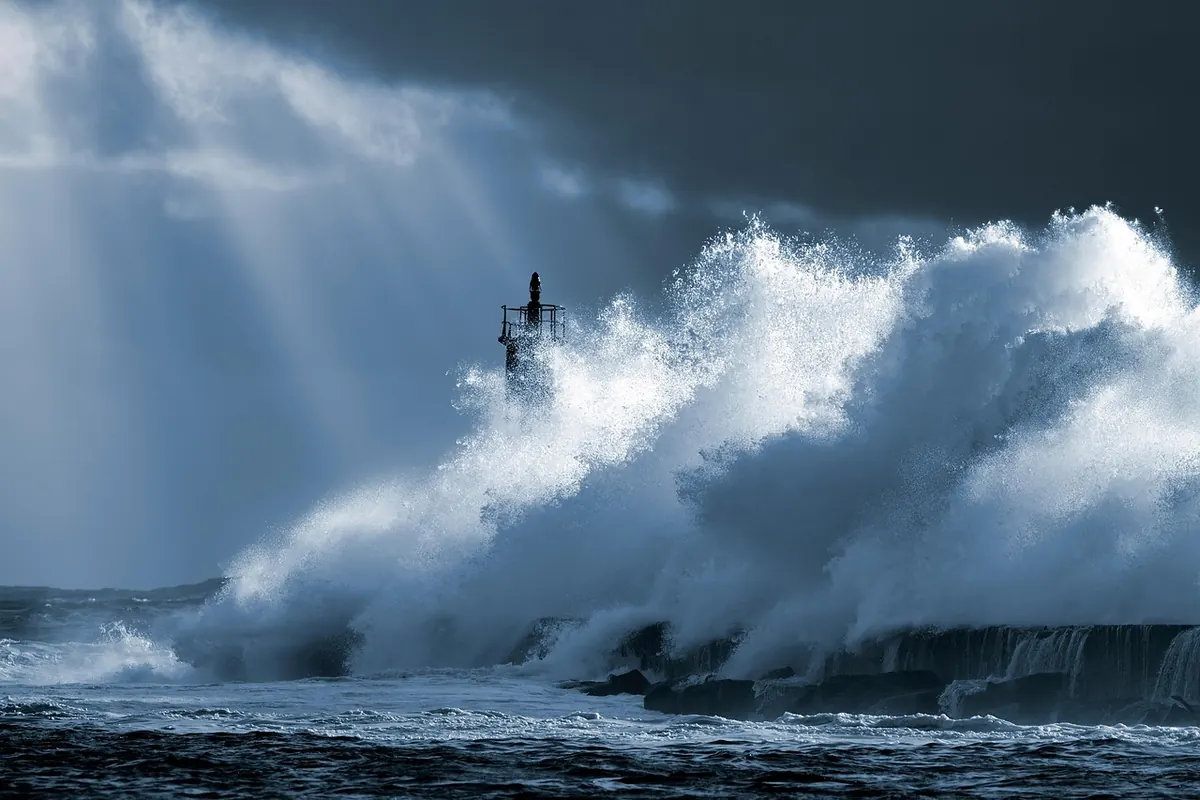
Photo: fiquetdidier1 / Pixabay

You Might Also Like
Woolly bear bands, persimmon seeds, acorn crops and squirrel habits: a field guide to the folk signs said to predict a hard winter, and how to track them yourself.
Six familiar weather sayings, from red skies to thick onion skins, get checked against how weather actually works — and the short-range ones come out far better than the season-ahead ones.